Finding a reliable source for kratom can feel like navigating a maze blindfolded. With hundreds of vendors flooding the market and quality varying wildly from one supplier to the next, consumers face a genuine challenge in identifying trustworthy kratom brands that deliver both purity and potency. The stakes are high—poor-quality kratom not only wastes money but may also pose health risks. This comprehensive guide cuts through the confusion, providing expert insights into identifying the best kratom brands and making safe, informed purchasing decisions.
- 🔍 Third-party lab testing is the gold standard for verifying kratom quality and safety
- 🏆 Reputable brands demonstrate transparency through accessible test results, clear sourcing information, and responsive customer service
- 💰 Price alone shouldn’t dictate choice—extremely cheap kratom often signals compromised quality or contamination risks
- 📦 Proper packaging and labeling indicate professional operations committed to product integrity
- ⭐ Customer reviews and industry reputation provide valuable insights into vendor reliability and product consistency
Understanding Quality Standards in Kratom Products
The kratom industry operates in a largely unregulated space, making consumer education essential. Quality kratom begins at the source—the farms in Southeast Asia where Mitragyna speciosa trees grow. The best kratom brands establish direct relationships with experienced farmers who understand proper harvesting techniques, leaf maturity indicators, and post-harvest processing methods.
What Separates Premium Brands from the Rest
Premium kratom suppliers distinguish themselves through several key practices:
- Comprehensive lab testing for alkaloid content, heavy metals, pathogens, and contaminants
- Transparent sourcing with detailed information about origin regions
- Batch tracking systems that allow consumers to verify their specific product
- Professional packaging that preserves freshness and prevents contamination
- Educational resources helping customers understand strains, dosing, and safe practices
Quality vendors invest significantly in testing infrastructure. Each batch should undergo analysis by independent, accredited laboratories using validated testing methods. These results should be readily accessible to customers through QR codes, batch numbers, or online databases.
Identifying Trustworthy Kratom Vendors
The marketplace includes both dedicated kratom vendors and general supplement retailers. Specialized kratom vendors typically offer superior selection, expertise, and quality control compared to casual sellers. When evaluating potential suppliers, several red flags and green flags emerge clearly.
Red Flags to Avoid 🚩
Warning signs that should prompt immediate caution include:
- Absence of lab testing documentation
- Unrealistic health claims or medical promises
- Extremely low prices that seem too good to be true
- Poor website security or unprofessional presentation
- Lack of contact information or customer service
- No return policy or quality guarantees
- Vague or missing sourcing information
Green Flags Indicating Reliability ✅
Conversely, positive indicators of reputable vendors include:
- Detailed third-party lab results for every batch
- American Kratom Association (AKA) GMP certification
- Responsive, knowledgeable customer support
- Clear privacy policies and secure payment processing
- Comprehensive product descriptions with strain information
- Active presence in the kratom community
- Transparent business practices and company information
Evaluating Lab Testing and Certification
Third-party laboratory testing represents the cornerstone of kratom safety verification. Understanding what these tests reveal—and what they should include—empowers consumers to make educated choices.
Essential Testing Components
Comprehensive kratom testing should cover multiple categories:
| Test Type | What It Reveals | Why It Matters |
|---|---|---|
| Alkaloid Profile | Mitragynine and 7-hydroxymitragynine levels | Indicates potency and authenticity |
| Microbial Testing | Bacteria, mold, yeast, E. coli, Salmonella | Prevents foodborne illness |
| Heavy Metals | Lead, mercury, arsenic, cadmium | Protects against toxic exposure |
| Contaminants | Pesticides, herbicides, adulterants | Ensures product purity |
The best kratom brands make these results accessible without requiring customers to request them. Look for vendors who display lab certificates prominently on product pages or provide easy access through batch number lookup systems.
Understanding GMP Certification
The American Kratom Association’s Good Manufacturing Practices (GMP) program establishes voluntary standards for kratom production. GMP-qualified vendors commit to:
- Rigorous facility hygiene and sanitation protocols
- Documented quality control procedures
- Employee training and safety measures
- Regular third-party audits
- Contamination prevention systems
- Proper labeling and documentation
While GMP certification isn’t mandatory, it demonstrates a vendor’s commitment to professional standards and consumer safety.
Comparing Kratom Strains and Product Types
Understanding the variety of kratom products helps buyers select options aligned with their preferences and needs. The best kratom brands offer diverse selections while providing clear guidance about differences between strains and formats.
Common Kratom Vein Colors
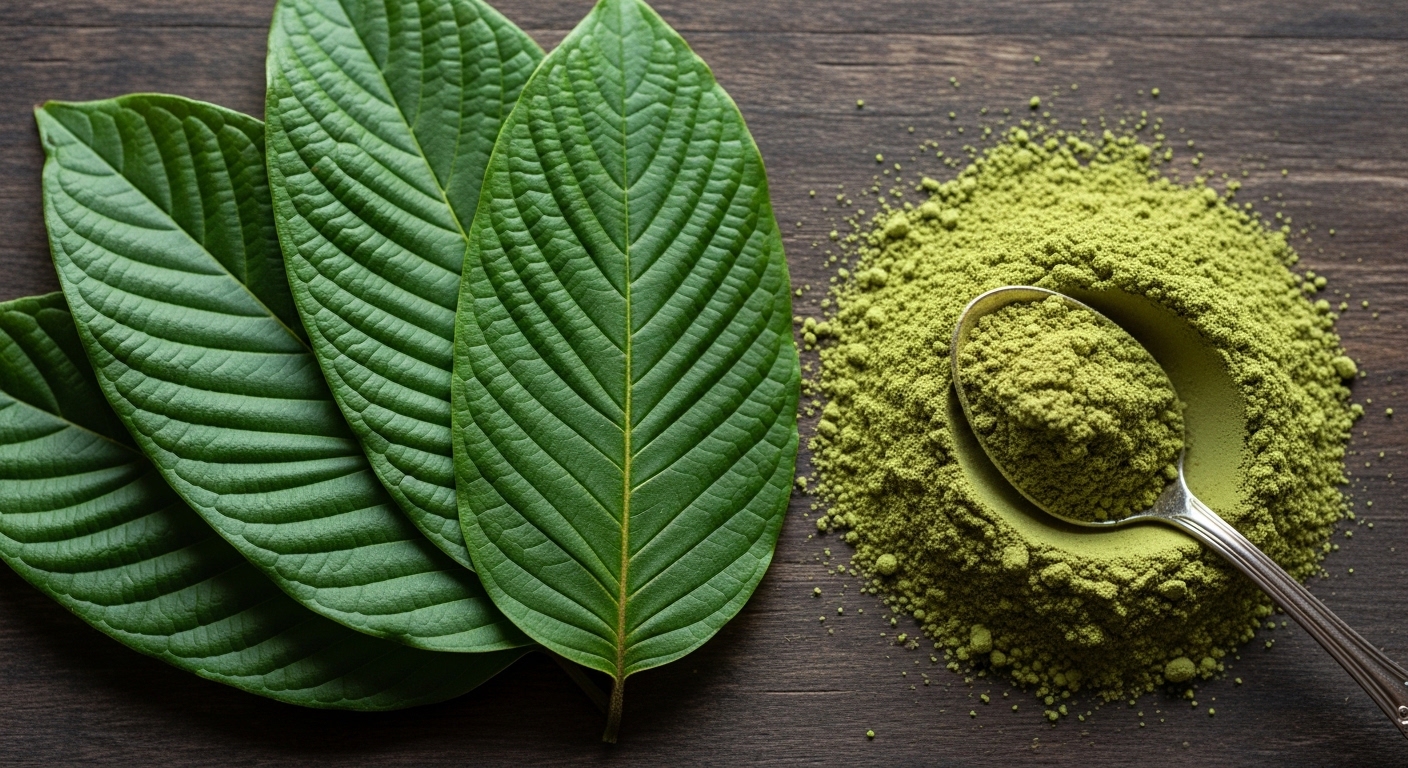
Kratom is traditionally categorized by leaf vein color, each associated with distinct characteristics:
- Red Vein: Most popular variety, known for mature leaf harvesting
- Green Vein: Mid-range option offering balanced properties
- White Vein: Harvested from younger leaves, distinct alkaloid profile
- Yellow/Gold Vein: Specialized processing or blending creates unique variants
Product Format Options
Beyond powder, kratom comes in several convenient formats:
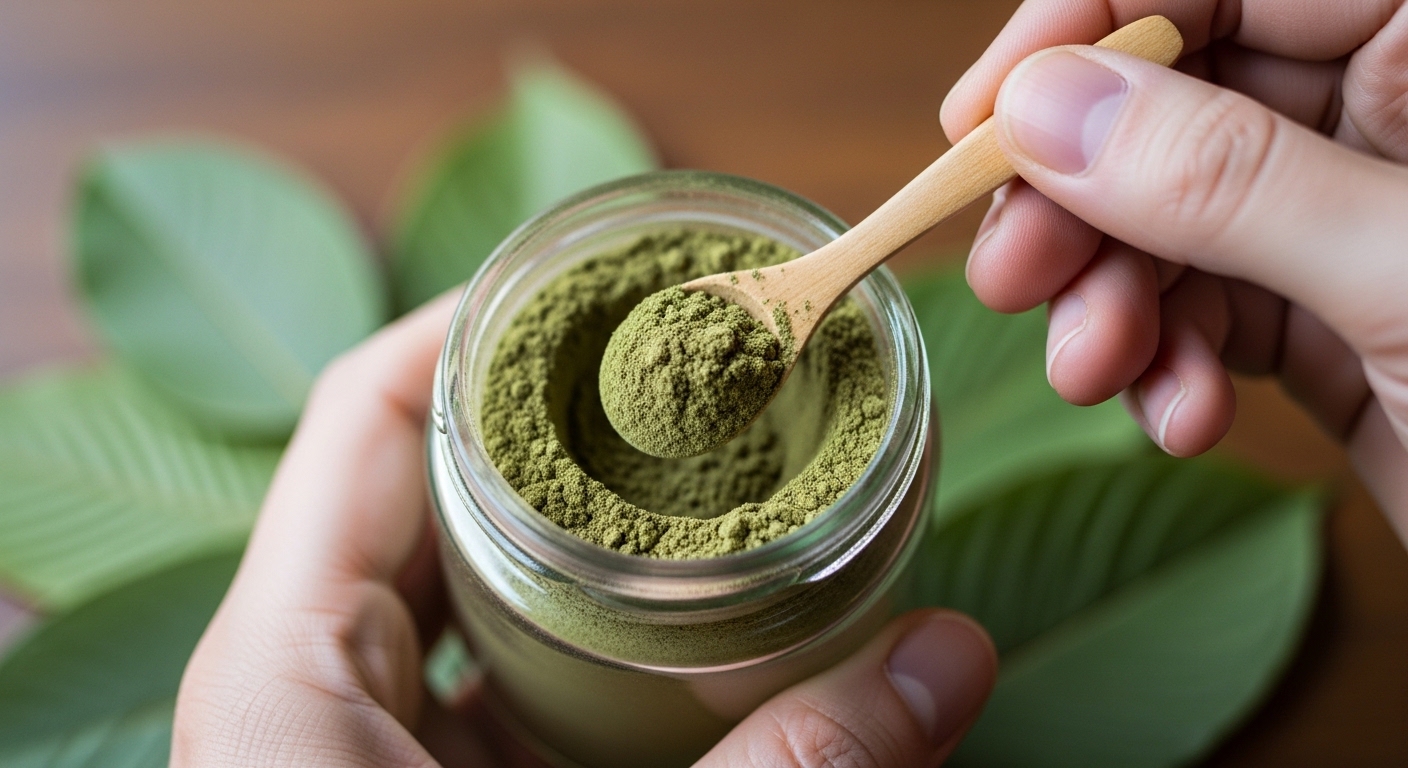
Kratom Powder 🥄
- Most economical option
- Versatile for various consumption methods
- Requires measurement tools
- Fastest onset when used traditionally
Kratom Capsules 💊
- Pre-measured doses for convenience
- No taste or preparation needed
- Higher cost per serving
- Ideal for on-the-go use
Kratom Extracts ⚗️
- Concentrated alkaloid content
- Smaller serving sizes required
- Premium pricing
- Best suited for experienced users
Kratom Shots 🥤
- Ready-to-consume liquid format
- Rapid absorption
- Highest price point
- Limited strain selection
Price Considerations and Value Assessment
While budget matters, price shouldn’t be the sole determining factor when selecting kratom. The relationship between cost and quality follows predictable patterns in the kratom market.
Understanding Kratom Pricing
Typical price ranges for quality kratom powder:
- Budget Range: $60-$80 per kilogram
- Mid-Range: $80-$120 per kilogram
- Premium Range: $120-$180 per kilogram
Suspiciously cheap kratom often indicates:
- Inferior or old product
- Contamination or adulteration
- Poor storage conditions
- Lack of testing
- Questionable sourcing
Conversely, exorbitant pricing doesn’t guarantee superior quality. The best kratom brands offer competitive pricing that reflects their investment in quality control while remaining accessible to regular customers.
Bulk Buying Considerations
Many vendors offer discounts for larger quantities. When considering bulk purchases:
✔️ Verify freshness guarantees and proper packaging ✔️ Start with smaller amounts from new vendors before committing ✔️ Check expiration guidance and storage recommendations ✔️ Calculate cost per serving rather than total price ✔️ Ensure you’ll use the product before potency degrades
Comparing Top-Tier Vendor Characteristics
While specific vendor recommendations change over time, the characteristics of excellent kratom brands remain consistent. Use these benchmarks when evaluating options:
Essential Quality Markers
Laboratory Testing 🔬
- Independent third-party facilities
- Comprehensive testing panels
- Easily accessible results
- Regular testing frequency
- Multiple verification methods
Business Practices 📊
- Established operational history
- Professional website and branding
- Secure payment systems
- Clear policies and terms
- Responsive customer support
Product Quality 🌿
- Fresh, properly stored inventory
- Diverse strain selection
- Consistent potency
- Professional packaging
- Competitive pricing
Community Standing 🤝
- Positive industry reputation
- AKA membership or certification
- Active advocacy involvement
- Educational resource provision
- Transparent communication
Conclusion
Navigating the kratom marketplace successfully requires knowledge, diligence, and commitment to quality over convenience. The best kratom brands distinguish themselves through comprehensive third-party testing, transparent business practices, professional customer service, and genuine dedication to consumer safety. By prioritizing vendors who demonstrate these qualities—and avoiding those who cut corners—consumers can access high-quality kratom while minimizing risks associated with contaminated or adulterated products.