You want relief. You want quality. But what you get is a confusing mess of vendor websites, vague product descriptions, and zero guarantees about what you’re actually putting in your body.
Here’s the truth: Not all kratom brands are created equal.
Some vendors cut corners. They skip lab testing. They source from questionable suppliers. And when you’re new to kratom, you have no idea which brands to trust.
That’s the scary part.
But it doesn’t have to be this way. Once you know what to look for, buying kratom online becomes simple. You just need to understand the red flags, the quality markers, and the questions every beginner should ask before clicking “purchase.”
Let me show you exactly how to do it.
Why Most Beginners Get Burned on Their First Kratom Purchase
Look, I’ve seen this pattern hundreds of times.
Someone hears about kratom from a friend or reads an article online. They Google “buy kratom,” click on the first result, and order the cheapest product they can find.
Three days later, the package arrives. The powder smells weird. There’s no lab certificate. The effects are weak or nonexistent.
Here’s what went wrong:
- They bought from an unverified vendor with no quality control
- They chose price over purity (big mistake)
- They didn’t check for third-party lab testing
- They ignored customer reviews and vendor reputation
The kratom industry is largely unregulated. That means anyone can sell you anything and call it “premium kratom.” Without proper vetting, you’re gambling with your health and your money.
The Non-Negotiable Quality Markers for Kratom Brands
Before you buy from any vendor, check these boxes. If even one is missing, walk away.
Third-Party Lab Testing
This is the number one indicator of a trustworthy kratom brand.
Reputable vendors send their products to independent laboratories for testing. These tests check for:
- Heavy metals (lead, arsenic, mercury)
- Microbial contamination (salmonella, E. coli)
- Alkaloid content (mitragynine and 7-hydroxymitragynine levels)
The lab results should be recent, detailed, and easily accessible on the vendor’s website. If a brand doesn’t provide lab certificates, they’re hiding something.
Transparent Sourcing Information
Where does the kratom come from?
Quality kratom brands tell you exactly where they source their leaves. Most premium kratom comes from Southeast Asia, particularly Indonesia, Malaysia, and Thailand.
But it’s not just about the country. Look for vendors who:
- Work directly with farmers
- Explain their harvesting and processing methods
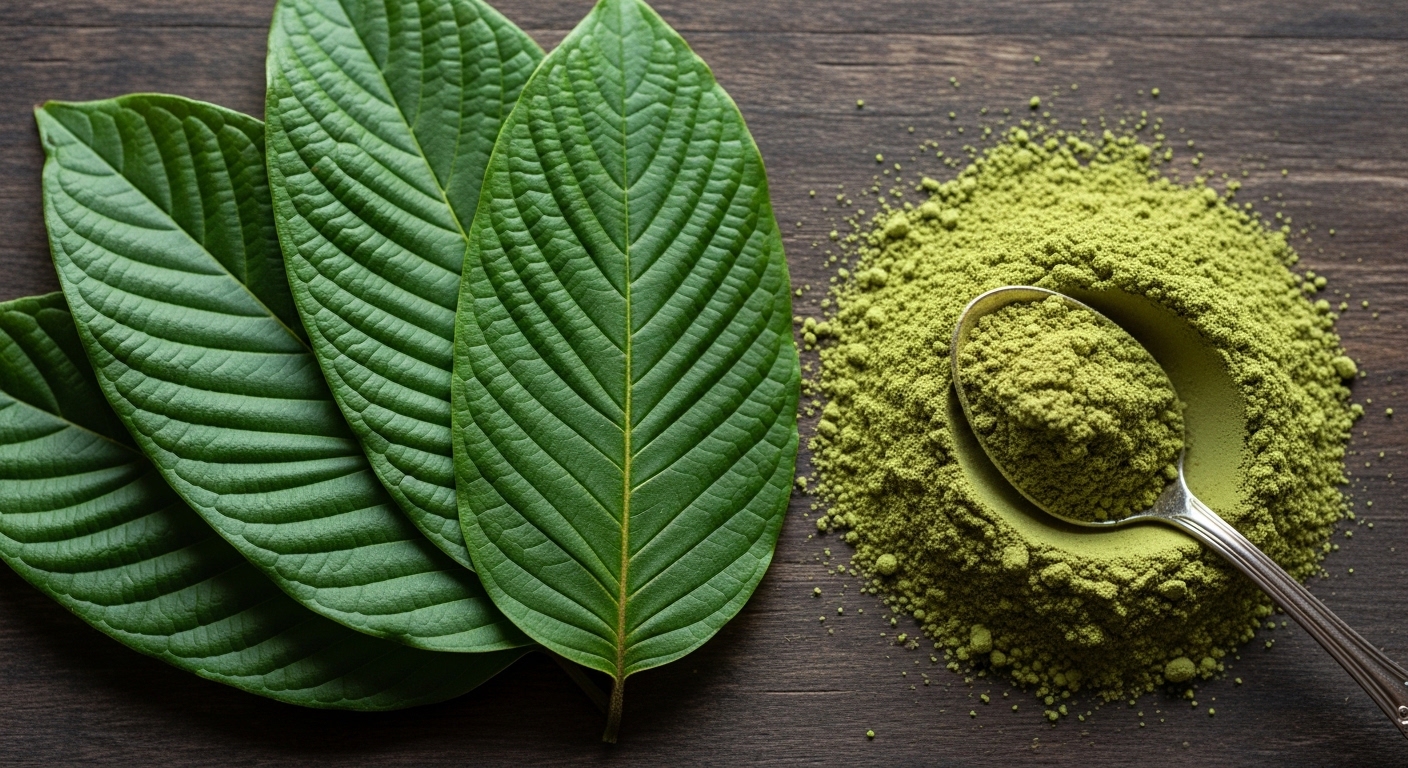
- Provide details about leaf maturity and vein color
Vague statements like “sourced from the best farms” mean nothing. You want specifics.
Clear Product Descriptions and Strain Information
Every product page should tell you:
- Strain name (Red Bali, Green Maeng Da, White Borneo, etc.)
- Vein color and what effects to expect
- Suggested serving size for beginners
- Batch number for traceability
If a vendor lists products with generic names like “Super Kratom” or “Best Quality Powder” without detailed information, that’s a red flag.
Responsive Customer Service
Quality kratom brands invest in customer support.
Before making your first purchase, send the vendor a question. Ask about their testing protocols or sourcing practices. See how quickly they respond and whether their answers are helpful and detailed.
If they ignore you or give vague responses, imagine how they’ll treat you if there’s a problem with your order.
How to Spot Fake or Low-Quality Kratom Brands
Not every vendor is trying to scam you, but some are definitely cutting corners.
Watch out for these warning signs:
| Red Flag | What It Means |
|---|---|
| Unrealistically low prices | Likely poor quality or contaminated product |
| No contact information | No accountability if something goes wrong |
| Outrageous health claims | Violates FDA guidelines; shows lack of professionalism |
| No return or refund policy | They know the product is subpar |
| Stock photos instead of real product images | Not a legitimate operation |
| Payment only through untraceable methods | Avoiding accountability |
A legitimate kratom brand operates like any professional business. They have a real address, clear policies, and they follow industry best practices.
The Smart Beginner’s Buying Checklist
Before you add anything to your cart, run through this checklist:
Pre-Purchase Questions:
- Does this vendor provide current lab test results?
- Can I verify their business information (address, phone, email)?
- Are there authentic customer reviews on independent platforms?
- Do they clearly explain their refund and return policies?
- Is the website professional and informative?
- Do they avoid making illegal health claims?
- Are the prices reasonable (not suspiciously cheap)?
Product-Specific Questions:
- What is the exact strain and vein color?
- When was this batch tested?
- What is the alkaloid content?
- What is the recommended serving size for beginners?
- How fresh is the product?
If you can’t answer these questions confidently, keep looking.
Understanding Kratom Strains: A Beginner’s Primer
Different kratom strains produce different effects. Understanding the basics helps you choose the right product.
Red Vein Kratom:
- Most relaxing variety
- Popular for evening use
- Common strains: Red Bali, Red Borneo, Red Maeng Da
Green Vein Kratom:
- Balanced effects
- Good all-day option
- Common strains: Green Malay, Green Maeng Da, Green Thai
White Vein Kratom:
- Most energizing variety
- Popular for morning use
- Common strains: White Borneo, White Thai, White Sumatra
As a beginner, many people start with green vein strains because they offer moderate effects. But everyone responds differently, so what works for others might not work for you.
The Dosage Mistake That Ruins Your First Experience
Here’s what happens to most beginners:
They read online that “2-3 grams” is a starter dose. They take 5 grams because they want stronger effects. Then they feel nauseous, dizzy, or uncomfortable.
The golden rule for beginners: Start low, go slow.
A proper starting dose is:
- 1-2 grams for your first time
- Wait at least 45-60 minutes before considering more
- Increase by 0.5 grams in subsequent sessions if needed
Kratom is not a “more is better” substance. Taking too much doesn’t enhance the benefits; it creates unpleasant side effects.
Quality kratom brands provide dosage guidelines on their packaging. If your vendor doesn’t, that’s another red flag.

Payment Security and Privacy Concerns
When buying kratom online, you’re sharing sensitive information.
Look for these security features:
- SSL encryption (the padlock icon in your browser)
- Secure payment processors (credit cards, PayPal, or reputable payment gateways)
- Clear privacy policy explaining how your data is used
- Discreet packaging options for delivery
Avoid vendors who only accept cryptocurrency, wire transfers, or other non-refundable payment methods. These payment options offer you zero protection if something goes wrong.
Conclusion: Your First Purchase Sets the Pattern
Buying kratom online doesn’t have to be risky.
When you know what to look for, you can confidently identify trustworthy kratom brands and avoid the vendors who are just trying to make a quick profit.
Frequently Asked Questions
What is the safest way to buy kratom online as a beginner?
The safest approach is to purchase from established kratom brands that provide current third-party lab testing results, transparent sourcing information, and clear product descriptions. Always start with small quantities, verify the vendor’s reputation through independent reviews, and ensure they follow industry best practices for quality control and customer service.
How can I tell if a kratom brand is legitimate?
Legitimate kratom brands display several key characteristics: they provide accessible lab certificates from independent testing facilities, maintain professional websites with detailed product information, offer responsive customer service, have verifiable business contact information, and receive consistent positive reviews across multiple platforms. They also avoid making illegal health claims and follow proper labeling guidelines.
What should I look for in kratom lab test results?
Quality lab test results should show testing for heavy metals (lead, mercury, arsenic), microbial contamination (salmonella, E. coli, mold), and alkaloid content (mitragynine and 7-hydroxymitragynine levels). The results should be recent (within the past few months), include batch numbers matching your product, and come from accredited third-party laboratories, not in-house testing facilities.