Here’s the thing about chronic pain: it doesn’t just hurt your body. It drains your energy, kills your mood, and steals your quality of life.
You’ve probably tried everything. Over-the-counter pills. Prescription medications. Maybe even physical therapy. But the side effects? The dependency risks? The cost?
That’s where Red Bali Kratom enters the conversation.
Look, kratom isn’t new. People in Southeast Asia have been using it for centuries to manage pain and boost their energy. But Red Bali? It’s become one of the most popular strains for one simple reason: it works.
In this article, you’ll discover exactly what makes Red Bali Kratom different, how it helps with pain relief and mood enhancement, and most importantly, how to dose it correctly so you get results without wasting your money or risking side effects.
What Makes Red Bali Kratom Different?
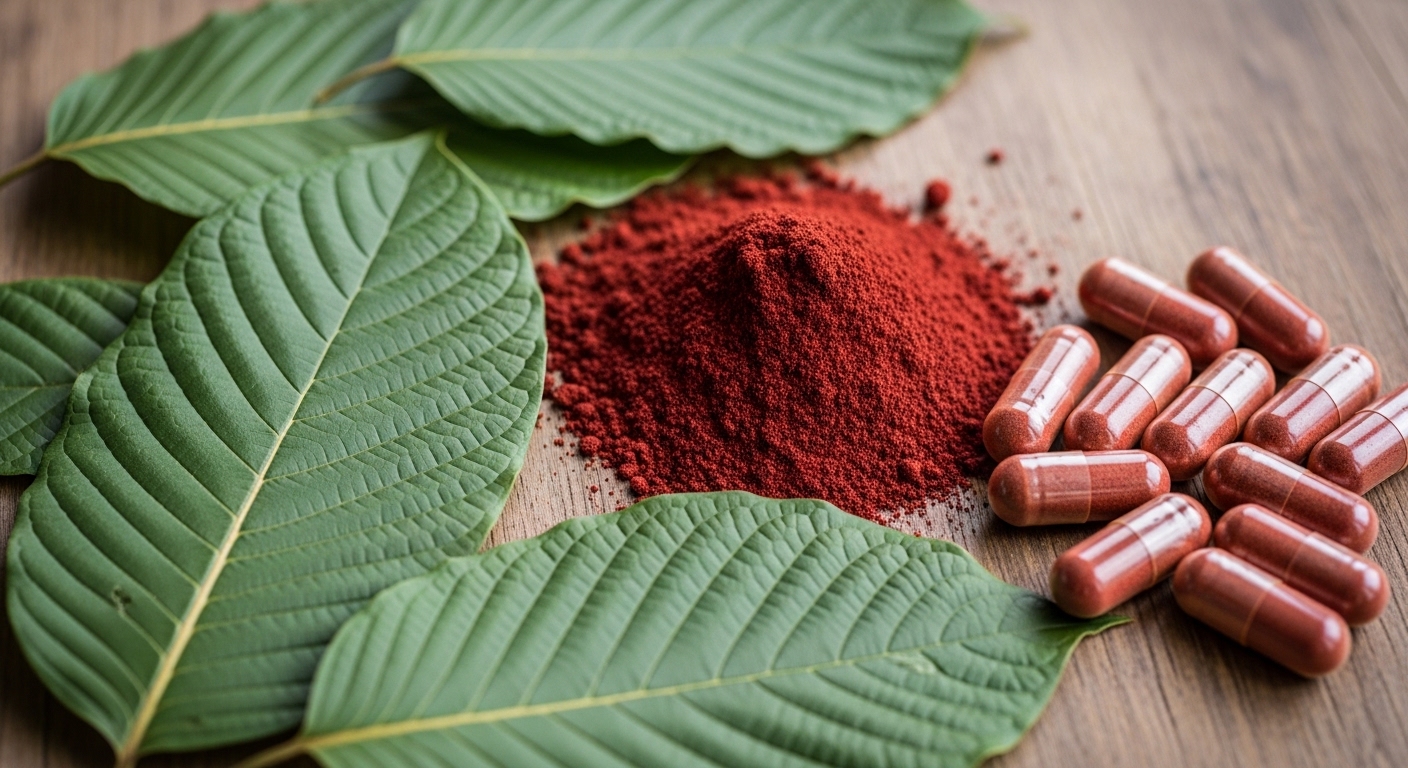
Red Bali Kratom comes from the leaves of the Mitragyna speciosa tree, grown primarily in Bali, Indonesia. The “red” refers to the color of the veins in the mature leaves before they’re harvested and processed.
But here’s what you really need to know:
Not all kratom strains are created equal.
Red vein varieties contain higher concentrations of 7-hydroxymitragynine, an alkaloid that binds to your body’s opioid receptors. Before you panic, understand this: kratom is not an opioid. It simply interacts with the same receptors, which is why it can provide pain relief without the same addiction profile as pharmaceutical opioids.
Red Bali specifically is known for:
- Potent pain-relieving properties that can last 4-6 hours
- Mood-boosting effects without the jittery feeling of stimulants
- Relaxation and stress reduction that doesn’t knock you out completely
- Better value compared to other red strains due to Bali’s abundant harvests
Think of it as the “all-rounder” of kratom strains. It’s not the most sedating (that’s Red Borneo), and it’s not the most energizing (that’s White Maeng Da). It sits right in the sweet spot.
The Science Behind Pain Relief
You’re probably wondering: how does a plant leaf actually reduce pain?
The answer lies in those alkaloids we mentioned earlier. Red Bali Kratom contains over 40 different alkaloids, but two do the heavy lifting:
Mitragynine makes up about 66% of the total alkaloid content. It acts as a partial agonist at mu-opioid receptors, which means it activates pain relief pathways in your brain and spinal cord.
7-hydroxymitragynine is far more potent, even though it exists in smaller quantities. Studies suggest it’s up to 13 times more powerful than morphine at binding to opioid receptors.
Here’s the crucial difference: kratom doesn’t cause the same respiratory depression that makes prescription opioids so dangerous. Your breathing stays normal. You stay alert. You just feel less pain.
Real users report relief from:
- Chronic back pain and arthritis
- Fibromyalgia symptoms
- Post-workout muscle soreness
- Migraines and tension headaches
- Nerve pain conditions
Is it a miracle cure? No. But for many people dealing with daily discomfort, it’s a game-changer.
How Red Bali Kratom Enhances Your Mood
Pain relief is only half the story.
What surprises most new users is how much better they feel emotionally after taking Red Bali Kratom. And there’s a good reason for that.
Chronic pain and depression often go hand-in-hand. When you’re hurting every day, your brain chemistry changes. Serotonin levels drop. Cortisol (the stress hormone) goes up. You feel irritable, anxious, and exhausted.
Red Bali Kratom addresses this from multiple angles:
It reduces physical discomfort, which immediately improves your mental state. When you’re not constantly fighting pain, you have more emotional bandwidth for everything else.
It promotes relaxation without sedation. You feel calm and centered, but you can still function normally. No brain fog. No couch-lock.
It may boost dopamine and serotonin activity in your brain. While the exact mechanisms are still being studied, users consistently report feeling more optimistic, social, and motivated after taking Red Bali.
Think of it this way: if pain is a heavy weight you carry everywhere, Red Bali helps you set it down for a few hours. And in that space, your natural mood can finally breathe.
The Right Red Bali Kratom Dose For Your Needs
Here’s where most people mess up.
They either take too little reading no red bali kratom dosage guide, or too much without strain serving tips, ending nauseous and dizzy. Proper kratom dosing isn’t complicated but needs attention.
The golden rule: start low and go slow.
Beginner Dose (1-2 grams)
If you’ve never tried kratom before, start here. You might feel mild relaxation and a slight mood lift. This dose helps you assess your sensitivity without risking side effects.
Low Dose (2-4 grams)
This is the sweet spot for mild to moderate pain relief and mood enhancement. Most people find this range effective for daily use without building tolerance too quickly.
Moderate Dose (4-6 grams)
For more significant pain or when you need stronger relaxation effects, this range delivers. You’ll feel noticeable pain relief and a deeper sense of calm. Be aware that sedation becomes more likely at these doses.
High Dose (6-8 grams)
Only consider this if lower doses haven’t worked and you’re dealing with severe chronic pain. At this level, sedation is almost guaranteed. You probably won’t want to drive or operate machinery.
Important factors that affect dosing:
- Body weight: Heavier individuals typically need slightly more
- Tolerance: Regular use builds tolerance over time
- Empty vs. full stomach: Taking kratom on an empty stomach intensifies effects
- Quality of the product: Premium Red Bali requires less than low-quality alternatives
Dosing Schedule
Don’t take Red Bali Kratom more than twice per day. Space doses at least 6-8 hours apart. And here’s critical advice: take regular breaks. Use it 4-5 days per week maximum to prevent tolerance buildup and dependence.
Best Practices For Taking Red Bali Kratom
The form you choose matters almost as much as the dose.
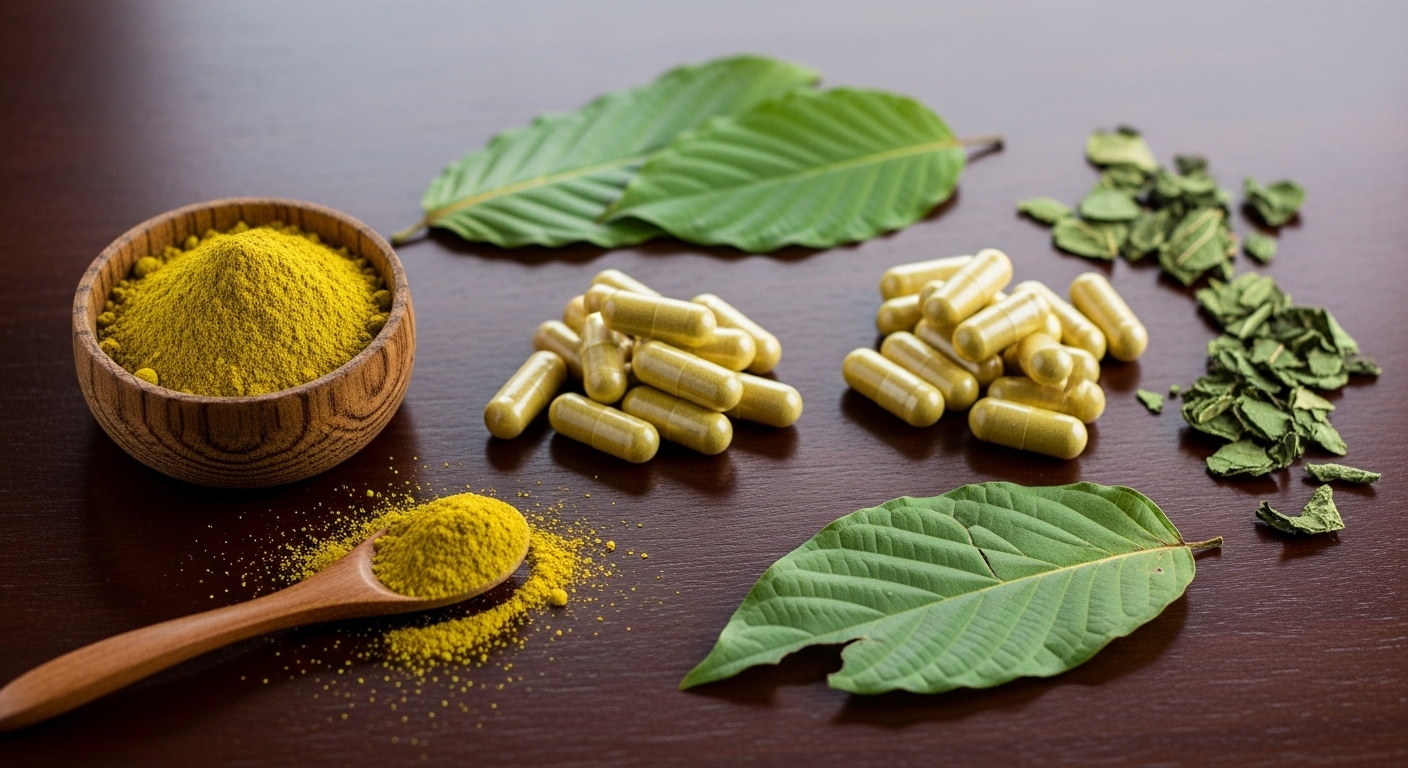
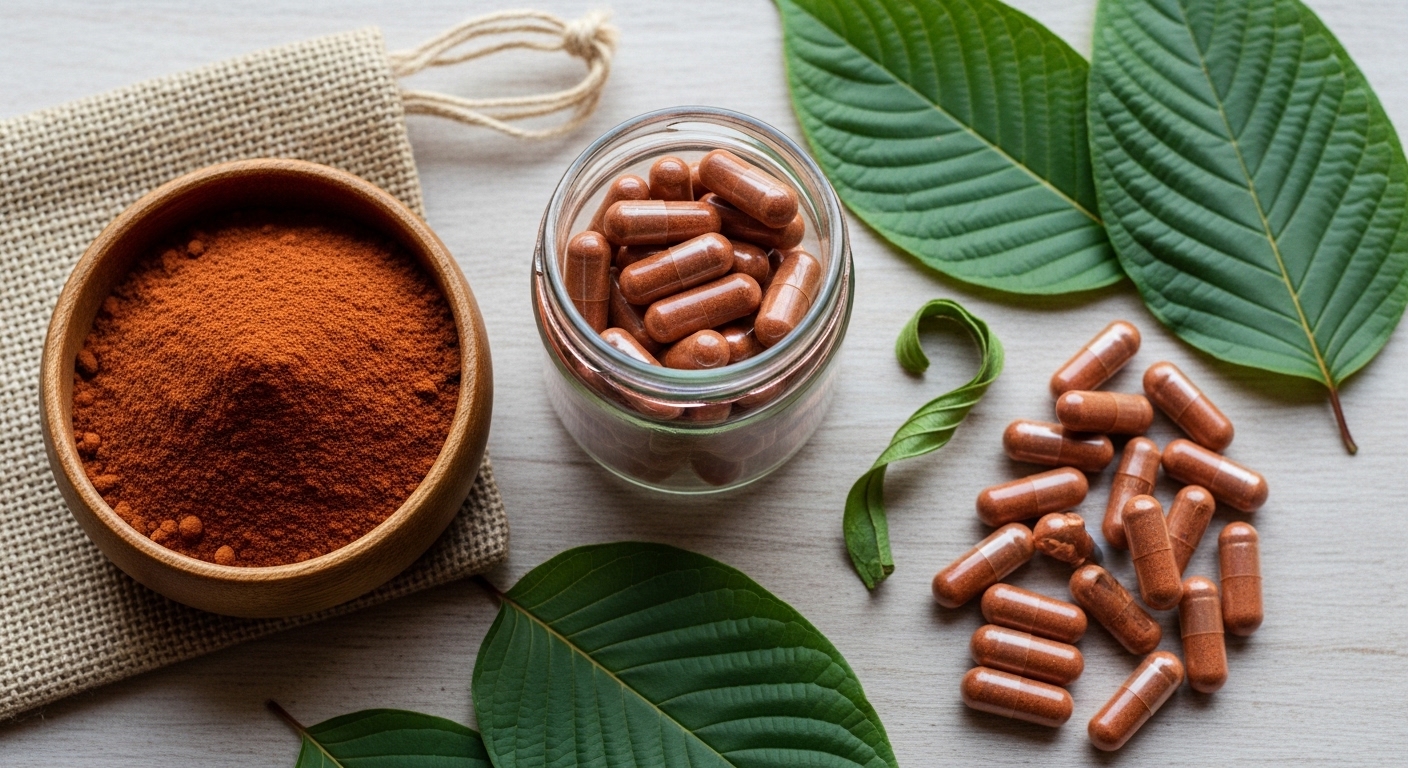
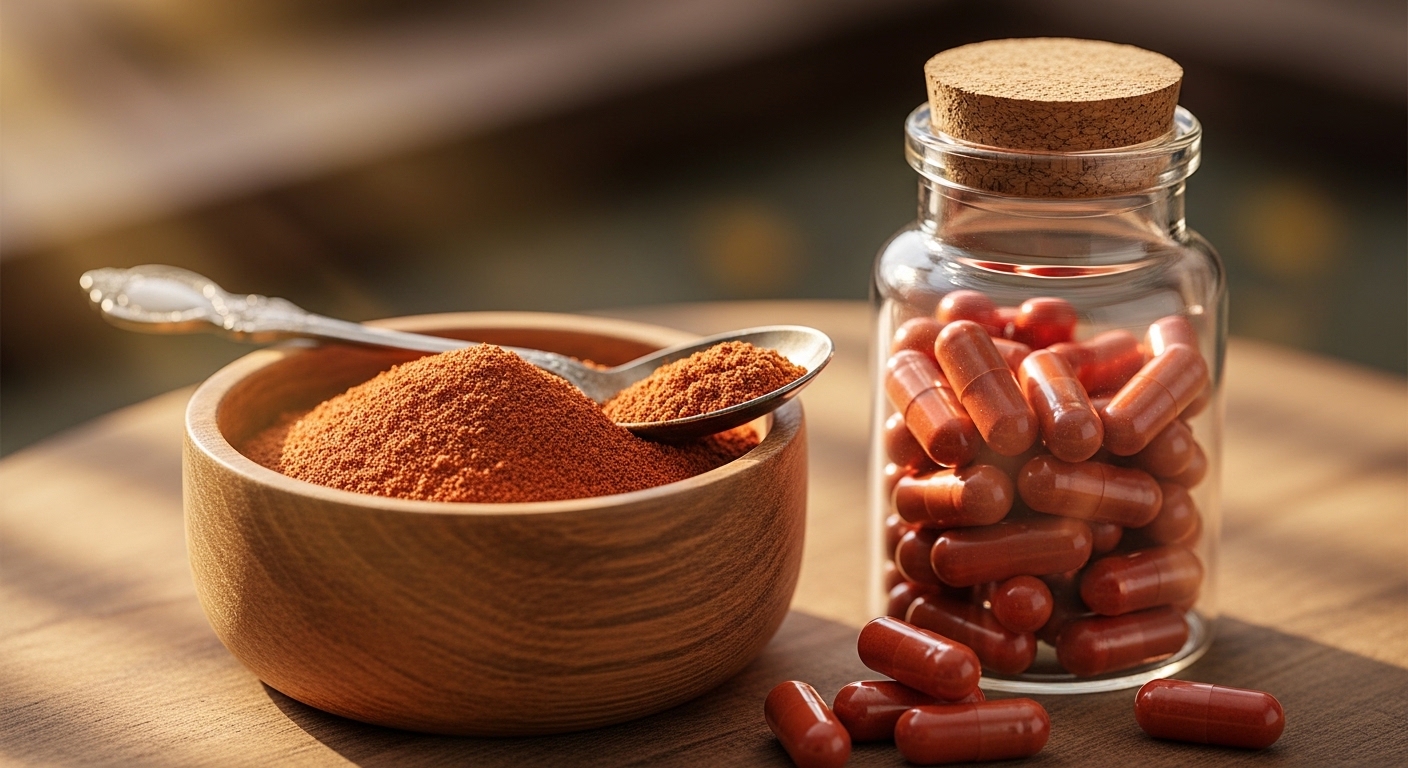
Powder is the most common and cost-effective. Mix it with water, juice, or blend it into a smoothie. The taste is bitter and earthy, so most people prefer masking it.
Capsules eliminate the taste issue entirely. They’re convenient and pre-measured, but they cost more and take longer to kick in (30-45 minutes vs. 15-20 minutes for powder).
Tea is traditional and gentle on your stomach. Simmer the powder in water for 15-20 minutes, strain, and drink. Some alkaloids may be lost in the process, so you might need a slightly higher dose.
Timing matters too. For pain relief throughout the day, take your dose in the morning on an empty stomach. For better sleep and evening relaxation, take it 2-3 hours before bed.
Always stay hydrated. Kratom can be dehydrating, and drinking plenty of water helps prevent headaches and constipation.
Potential Side Effects You Should Know
Let’s be honest about this part.
Red Bali Kratom is generally well-tolerated, but it’s not without risks. Common side effects include:
- Nausea (especially at higher doses or on an empty stomach)
- Dizziness or lightheadedness
- Constipation with regular use
- Drowsiness or sedation
- Dry mouth
Conclusion: Is Red Bali Kratom Right For You?
Pain doesn’t have to control your life.
If you’re tired of the side effects, costs, and risks of conventional pain medications, Red Bali Kratom offers a natural alternative worth exploring. It won’t work for everyone, and it’s not a cure-all. But for many people dealing with chronic pain, anxiety, or low mood, it provides real relief without the baggage of pharmaceutical options.
Start with a low dose. Source quality product from trusted vendors. Take regular breaks to prevent tolerance. And pay attention to how your body responds.
The question isn’t whether kratom works. Centuries of traditional use and thousands of modern testimonials confirm that it does. The real question is whether you’re willing to approach it responsibly and give it a fair trial.
Your pain has had enough control. Maybe it’s time to take some of that power back.